
The world is changing way too fast.
In just the past year at NITM, we helped relaunch products in mental health and relationship health, and we built new partnerships that genuinely expand what we can deliver for clients. We also had the chance to panel at AcceleratorCon 2025, which was a great reminder that a lot of people are trying to make sense of the same shift we’re living through.
The big shift is not only what we’re building, but how we’re building it.
Over the last year, we’ve had to multiply our efforts to get comfortable with AI-assisted development. What started as “vibe-coding” quickly devolved into something that, initially, wasn’t sustainable. This meant really diving in and not doing things half assedly. In practice, this means keeping up with model releases across OpenAI, Claude, DeepSeek, and others, while also adapting to a new generation of tooling in editors like Cursor and VS Code that keeps improving almost monthly. Constantly.
We’ve been in the AI space since 2014.
Not in the “publish research papers” way, but in the “use what works in real products” way.
We started with Stanford NLP libraries, moved into chatbot work (including Dialogflow-era builds), experimented with neural networks, and shipped projects using tools like TensorFlow and other ML libraries along the way. The lesson that stuck is simple: we’re not researchers, but we’re pretty good at applying AI in the real world, where constraints, timelines, users, and budgets are very real.
With all these new tools comes an uncomfortable realization: it has become extremely easy to burn yourself out in the name of productivity.
We’re used to change. We are not used to change at this pace.
Tasks that used to take days or weeks can now happen in a fraction of the time. Our planning, development, and iteration timeline has compressed by at least 50 percent.
A concrete example: in the new Blackfullness application, we implemented a comprehensive notification system in under a week from concept to implementation. That same scope used to feel like weeks to a month. We delivered it in roughly a quarter of the time.
And yes, that is the promise of AI showing up in the real world.
But here’s the twist: we felt more tired.
Not because the work got harder, but because we were processing more information, making more decisions, and moving faster, all in a shorter period of time. That “compression” shows up in your body and brain, even if the output looks great on paper.
If the AI era is about speed, then the next skill we all need is sustainable speed.
AI, the economy, and the nature of work are shifting quickly. That kind of shift can be scary, but it is also historically how new doors open.
We’ve seen this pattern before, just with different technology: fire, tools, the steam engine, the internet. Each wave changes what is possible, and it changes who gets to build.
From where we sit, the path to market is easier than it has ever been.
An MVP is no longer the massive obstacle it used to be. It’s an opportunity to test, validate, and adjust quickly, especially if you have real expertise in an industry and a clear problem to solve. The speed of technology has shortened the timeline to validation.
Suddenly, launching a side-hustle startup, or even just pressure-testing a serious idea, is not as daunting as it was a year ago.
As we reflect on 2025 and look forward to 2026, our biggest piece of advice is simple:
Take better care of yourself.
Use AI. Enjoy the productivity improvements. Use the new tools. Ship faster. Test more ideas. Build those niche solutions that remove friction, solve real problems, and give time back.
Then protect that time you just earned.
Use it to rest. Use it to be with friends and family. Use it to reset your brain before you jump back in to serve customers and teammates at a high level.
The goal is not maximum output. The goal is a pace you can maintain.
We’re excited about 2026. Here’s a small preview of what’s coming:
Client and partner work
Internal projects
Wishing you a happy holiday season and a strong start to the new year.

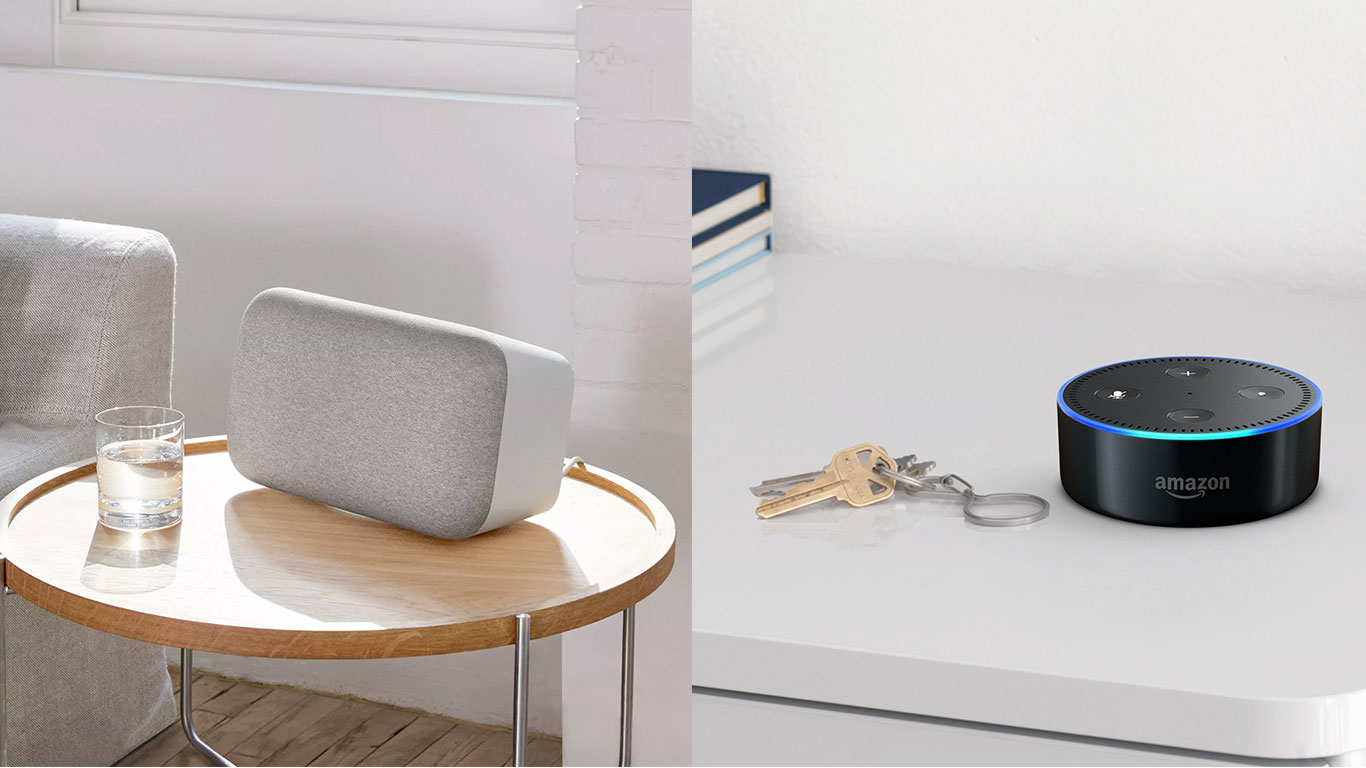
A chatbot is software that can be used with either visual, voice or text to interact with your users. Chatbots can be found in every part of life, from popular voice assistants such as Alexa and Google Home to messaging platforms such as Slack, Skype, Facebook Messenger and more. They offer a unique way to interact with potential users and could provide extra value to your customers with little effort.


As a business owner, entrepreneur, founder, partner or person responsible for the spending of your money, the most dangerous things out there are a waste of your time, money and energy. While you can get more of and make up for some of each, do you really want to though? Today we’re gonna talk about one of the worst cases of time, money and energy suck we’ve experienced so far: The scam known as T-Mobile Travel.
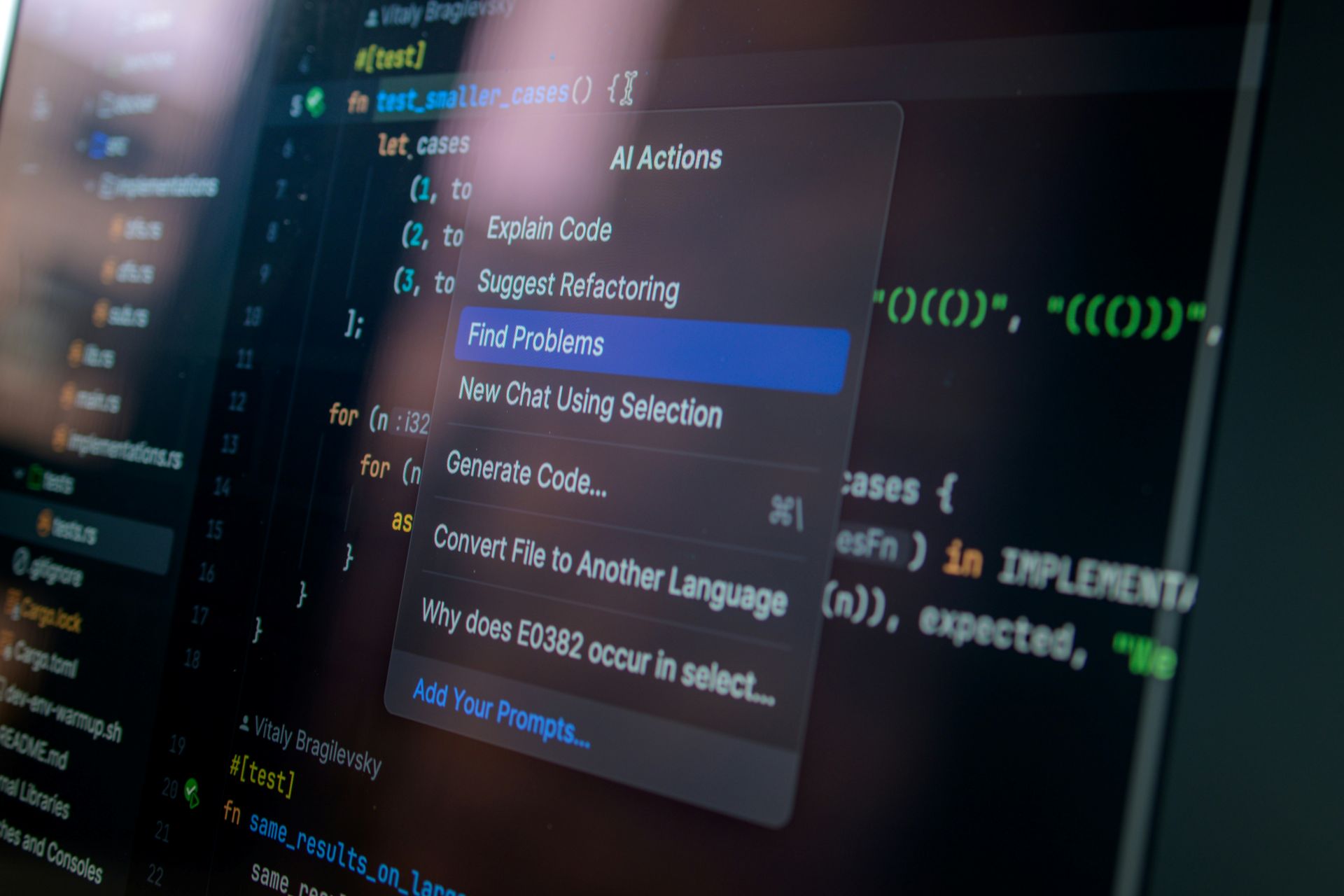
AI can help you build simple things like a marketing site or a bare-bones MVP, but once you move beyond that, you’re going to need real technical depth to keep everything from collapsing under its own weight.
Let's collaborate to create innovative digital solutions that drive your business forward.