
Day to day collaboration on projects requires organisation, communication and progress. There are various frameworks for project management that can help ensure...
Day to day collaboration on projects requires organisation, communication and progress. There are various frameworks for project management that can help ensure the product is being delivered according to the vision of the idea person. We take advantage of lightweight principles of project management known collectively as Agile.
Agile is an iterative approach to project management and software development that helps teams deliver value faster and with fewer headaches. Instead of betting everything on a "big bang" launch, an agile team delivers work in small, but consumable, increments. Requirements, plans, and results are evaluated continuously so teams have a natural mechanism for responding to change quickly.
Scrum is a framework that helps teams work together. Much like a rugby team (where it gets its name) training for the big game, Scrum encourages teams to learn through experiences, self-organize while working on a problem, and reflect on their wins and losses to continuously improve.
Agile is a continuous iteration of development and testing in the software development process whereas Scrum is an Agile process to focus on delivering the business value in the shortest time.
Basically, Scrum is a type of Agile implementation.
Agile methodology delivers the software on a regular basis for feedback while Scrum delivers the software after each sprint (a two week period of work after which a demo of work is presented).
In the Agile process, leadership plays a vital role, which is where a clear vision and validated idea comes into play. On the other hand, Scrum fosters a self-organizing, cross-functional team.
Answer: Because you don’t want to waste your time and money building a product no one will want to use or pay for.
This is where your MVP (minimum viable product) comes in. An MVP allows you to create a product with the minimum set of product features that will give value to users, in order to test the concept and get feedback before continuing development.
The Scrum processes are very clear about the need to produce visible value in the form of working software on a regular basis. By delivering a product iteratively and incrementally (i.e. in sprints), we also maximise the opportunity for regular customer feedback, ability for change and a quicker return on investment.
In our day to day work with our clients, we use various tools that can make project management, planning and accountability much easier. Some of these are:
We help you organise efficient teams working towards defined short term goals that fit together into a longer roadmap. We use the following elements of Scrum and Agile principles which we believe are the most effective: Meetings
Meetings are kept to a minimum in order to optimize productivity and ensure an appropriate amount of time is spent without allowing waste in the process.
We utilise meetings to discuss points that may be too verbose for email, slack or other non verbal communication channels.
Daily Stand-up
Five minutes where each team member talks about what they did yesterday and will do today, and if they have any blockers.
We use tools such as Standup Alice, or other simple collection methods to record everyone’s responses due to teams usually being cross geographic.
Sprint Planning & Estimation
The team commits to a certain amount of work at the beginning of the sprint and plans how to deliver it. This is when a Sprint Backlog of tasks is created.
Sprint Review & Retrospective
At the end of the sprint, the team demonstrates their progress to the stakeholders. Then the team discusses what went well, how to improve things next sprint. This is helpful for identifying common or unexpected issues.

The world is changing way too fast.

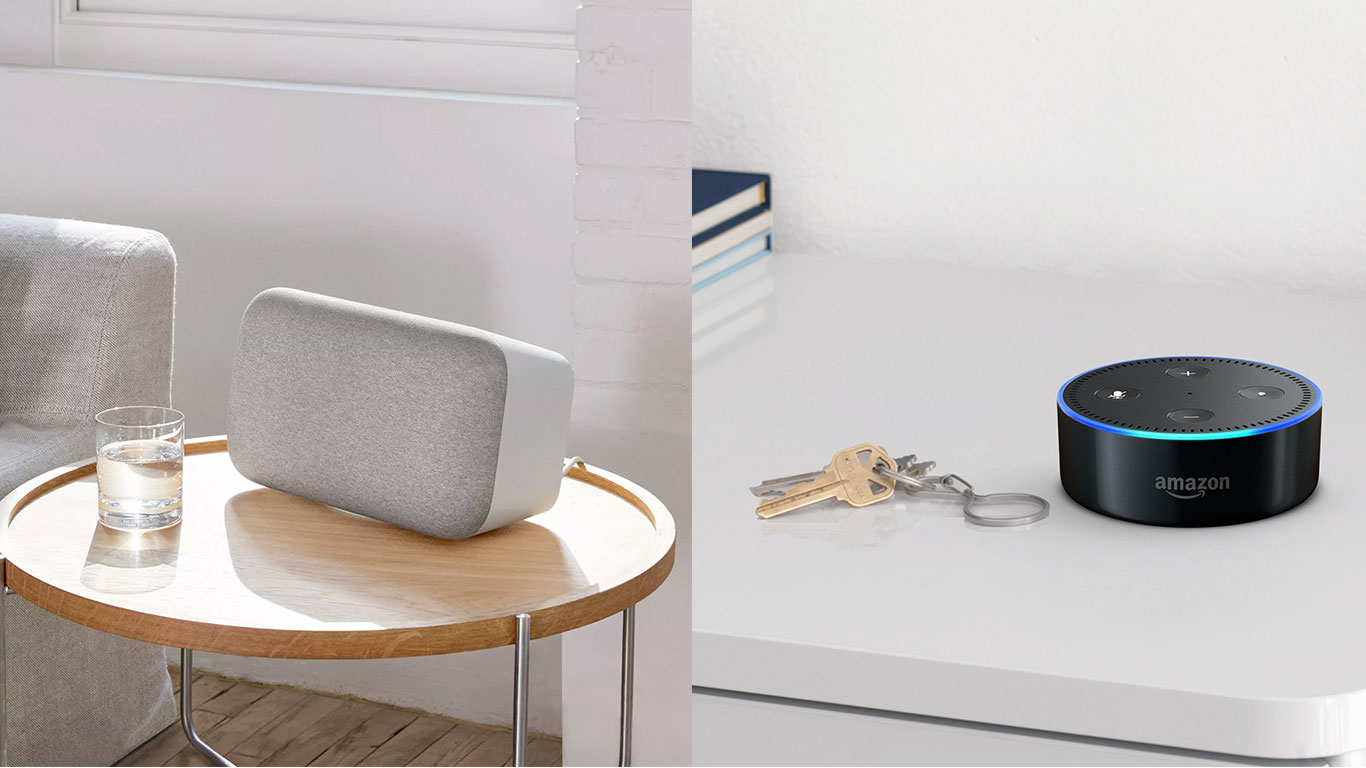
A chatbot is software that can be used with either visual, voice or text to interact with your users. Chatbots can be found in every part of life, from popular voice assistants such as Alexa and Google Home to messaging platforms such as Slack, Skype, Facebook Messenger and more. They offer a unique way to interact with potential users and could provide extra value to your customers with little effort.

As a business owner, entrepreneur, founder, partner or person responsible for the spending of your money, the most dangerous things out there are a waste of your time, money and energy. While you can get more of and make up for some of each, do you really want to though? Today we’re gonna talk about one of the worst cases of time, money and energy suck we’ve experienced so far: The scam known as T-Mobile Travel.
Let's collaborate to create innovative digital solutions that drive your business forward.